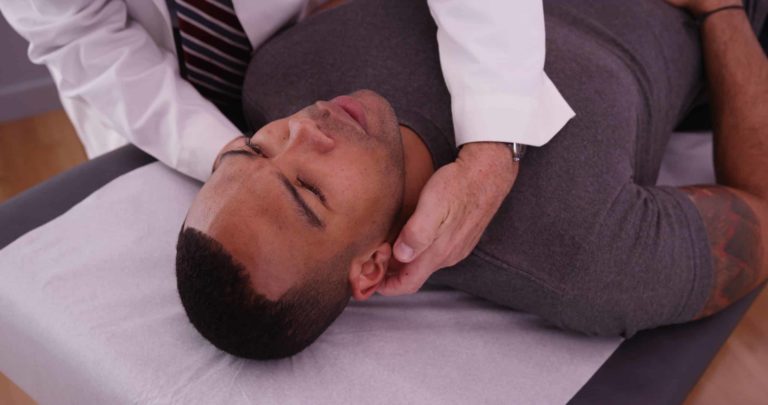
Contact sports bring intensity, competition, and teamwork, but they also bring risk. Concussions remain one of the most common injuries across football, rugby, hockey, lacrosse, soccer, and other high-impact sports. While not every injury can be avoided, evidence-based strategies significantly reduce the likelihood and severity of head trauma.
Understanding how to prevent concussions is essential for coaches, athletic directors, parents, and athletes who want to create safer sports environments. Prevention requires more than protective equipment. It involves education, training, monitoring, and structured protocols.
At XLNTBrain, we support organizations in building comprehensive safety systems that prioritize athlete brain health from preseason preparation through recovery.
Why Concussion Prevention Matters
A concussion is a mild traumatic brain injury caused by a blow or jolt that disrupts normal brain function. Even a single concussion can require weeks of recovery. Repeated injuries increase the risk of long-term complications.
Without proper concussion prevention in sports, athletes may face:
- Extended recovery periods
- Increased vulnerability to future concussions
- Academic and performance difficulties
- Emotional and behavioral changes
- Greater liability risks for organizations
Learning how concussions affect the brain is the first step in prevention. You can explore the science behind concussions in our Concussion Overview.
5 Strategies That Work to Prevent Concussions
1. Teach and Reinforce Proper Technique
Technique plays a major role in reducing head impact exposure. Many concussions occur because athletes put themselves in unsafe positions during contact.
Key technique principles include:
- Keeping the head up during tackles or collisions
- Avoiding head-first contact
- Learning proper falling mechanics
- Emphasizing body positioning and awareness
Coaches should consistently reinforce safe technique during practice and correct improper form immediately.
2. Strengthen the Neck and Core
Stronger neck muscles can reduce head acceleration during impact. Research shows that increased neck strength may help stabilize the head and decrease the forces transmitted to the brain.
Effective strength strategies include:
- Isometric neck exercises
- Resistance band training
- Core stability routines
- Shoulder and upper-back strengthening
Incorporating these exercises into regular conditioning programs supports long-term injury reduction.
3. Limit High-Risk Contact in Practice
Many concussions occur during training sessions rather than competition. Reducing unnecessary full-contact drills lowers cumulative head impact exposure.
Teams can improve concussion prevention by:
- Limiting full-contact repetitions
- Emphasizing skill drills over collision drills
- Monitoring practice intensity
- Scheduling adequate recovery between sessions
This approach preserves competitive readiness while protecting athlete health.
4. Implement Baseline Testing and Sideline Assessments
Prevention is not only about avoiding impact. It is also about identifying injuries early before they worsen.
Structured tools such as baseline testing and sideline evaluations provide critical data. With XLNTBrain’s Features, organizations can:
- Establish preseason cognitive benchmarks
- Detect subtle changes after impacts
- Guide removal-from-play decisions
- Track symptoms accurately
Objective data ensures that suspected concussions are addressed immediately, preventing further damage.
5. Build a Culture of Honest Reporting
One of the biggest barriers to concussion prevention is underreporting. Athletes often hide symptoms to stay in the game.
Organizations must create an environment where:
- Reporting symptoms is encouraged and respected
- Players understand the risks of playing through a concussion
- Coaches prioritize health over short-term performance
- Parents reinforce safety-first decision-making
Education sessions at the beginning of each season can significantly improve awareness and reporting behavior.
Prevention and Recovery Work Together
Even with strong prevention strategies, some concussions will still occur. The key is ensuring that prevention efforts are paired with structured management and recovery protocols.
A complete safety system includes:
- Preseason baseline testing
- Real-time sideline evaluation
- Continuous symptom tracking
- Structured Return-to-Play progression
XLNTBrain provides an integrated approach that supports organizations from prevention through full recovery.
The Role of Technology in Modern Concussion Prevention
Technology strengthens concussion prevention in sports by:
- Identifying trends in injury patterns
- Tracking recovery timelines
- Providing documentation for compliance
- Reducing reliance on subjective decisions
When coaches and administrators have access to reliable data, prevention becomes proactive rather than reactive.
Protecting Athletes Protects the Game
Contact sports will always involve physicality, but brain health must remain a top priority. By combining education, strength training, smart practice design, technology, and honest reporting, organizations can significantly reduce concussion risk.
To learn how your program can implement a comprehensive prevention strategy, explore the full capabilities of XLNTBrain and review our detailed concussion management resources.
Protecting athletes today ensures stronger teams and safer competition tomorrow.